Optimal Timing for Wood Cladding Installation
Determining the optimal timing for wood cladding installations depends on various climatic and environmental factors. Proper timing ensures the longevity and appearance of the cladding while minimizing potential issues such as warping or moisture damage.
Dry, mild weather with low humidity levels is most suitable for installation, reducing the risk of moisture-related problems.
Spring and early summer are often preferred due to moderate temperatures and lower chances of rain.
Temperatures between 10°C and 25°C (50°F to 77°F) facilitate easier handling and installation of wood materials.
Installation should be avoided during extreme cold, heat, or rainy seasons to prevent wood warping and installation delays.
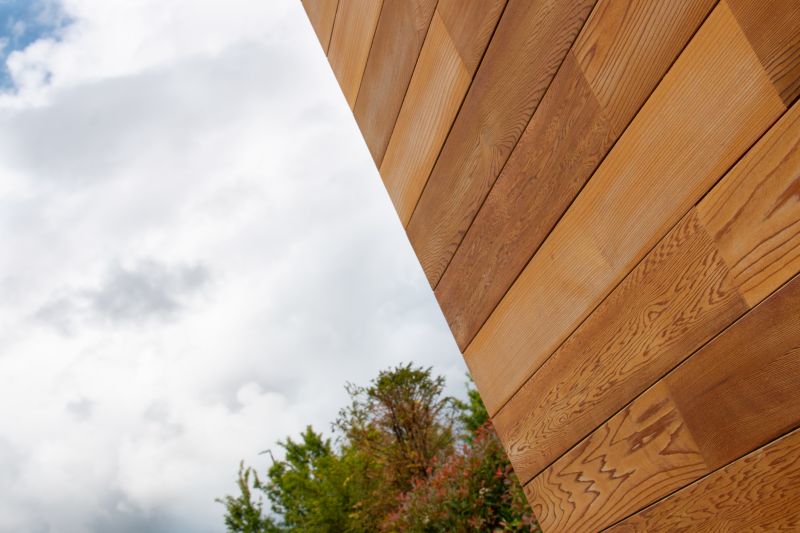
Optimal for moderate temperatures and lower humidity, ensuring proper adhesion and drying.
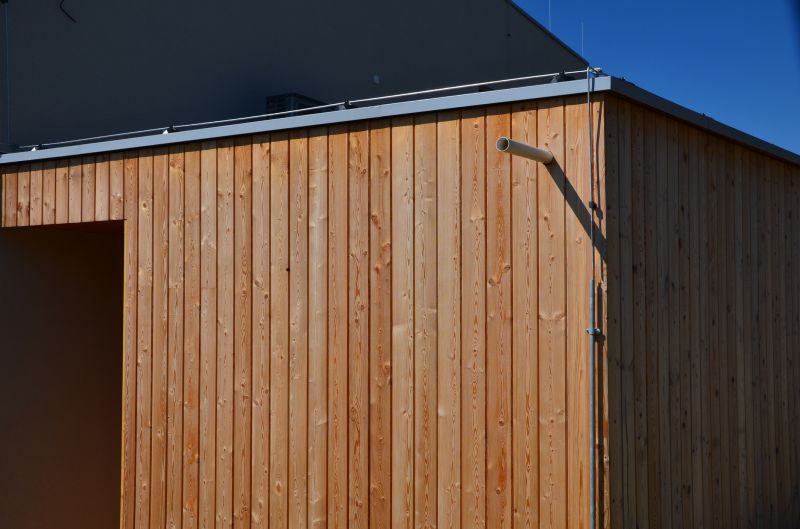
Suitable when humidity is manageable, but precautions should be taken to prevent drying issues.
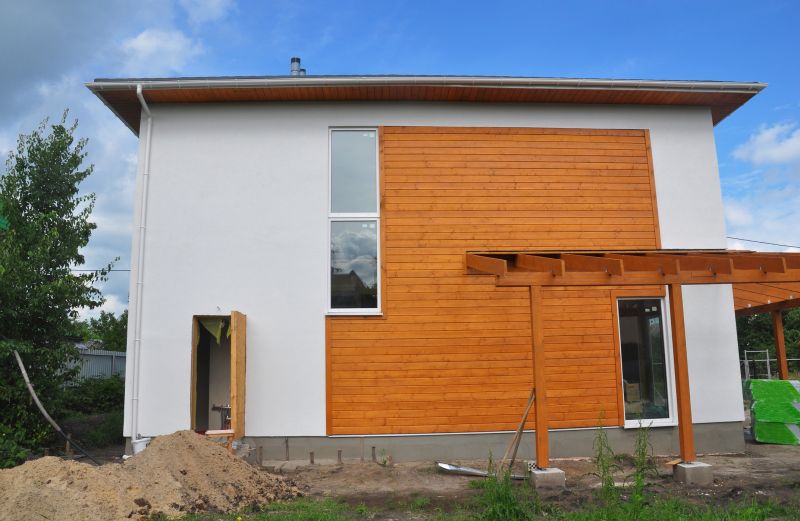
Ideal for finishing before colder months, provided weather remains dry.
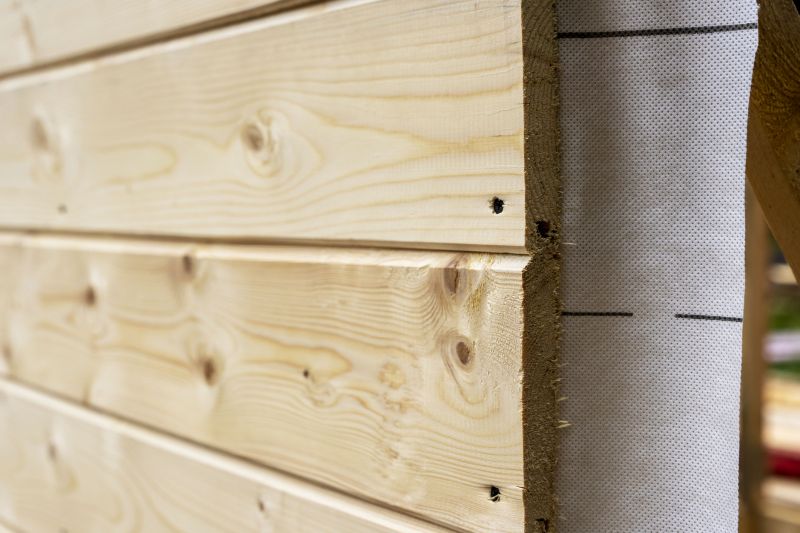
Ways to make Wood Cladding Installations work in tight or awkward layouts.
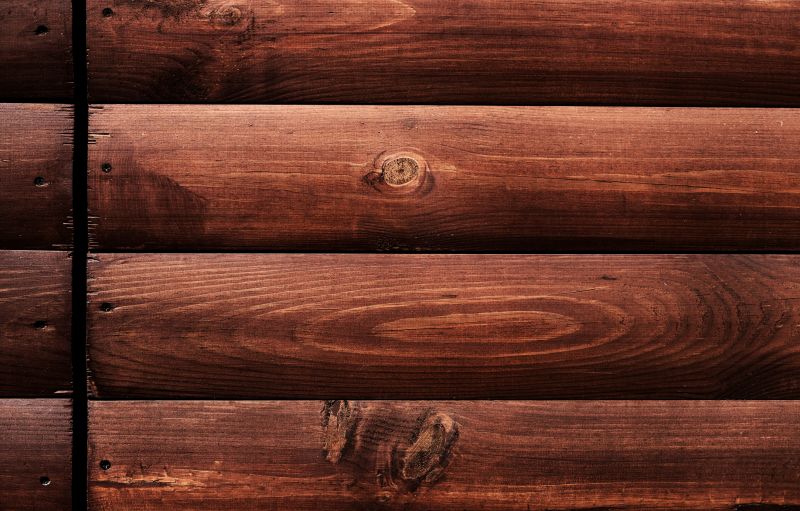
Popular materials for Wood Cladding Installations and why they hold up over time.
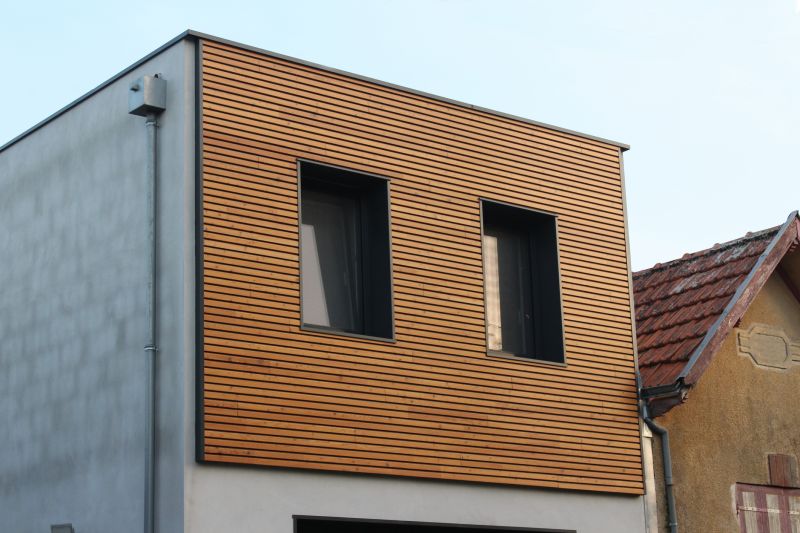
Simple add-ons that improve Wood Cladding Installations without blowing the budget.
| Season | Considerations |
|---|---|
| Spring | Moderate temperatures and lower humidity favor installation. |
| Summer | Requires monitoring of humidity levels; avoid peak heat. |
| Autumn | Allows for finishing before winter; ensure dry weather. |
| Winter | Generally not recommended due to cold and moisture risks. |
Wood cladding installations are sensitive to environmental conditions. Proper timing helps prevent issues such as wood warping, splitting, or moisture retention, which can compromise the durability and appearance of the cladding. Accurate planning around seasonal weather patterns enhances installation quality and longevity.
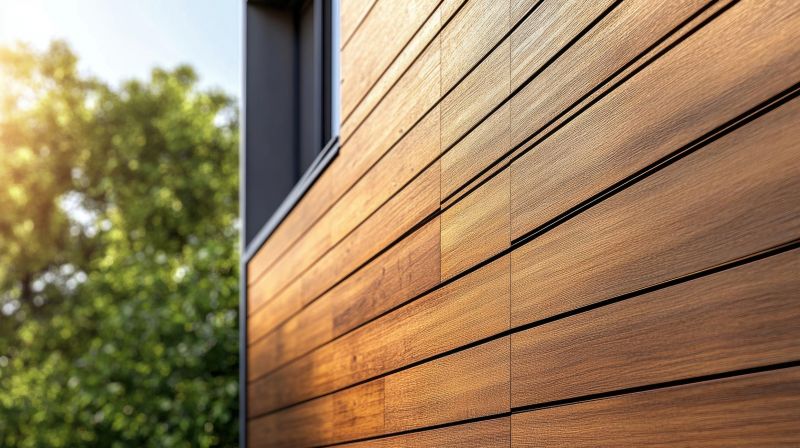
Spring offers ideal conditions for installation, with mild weather and reduced moisture.
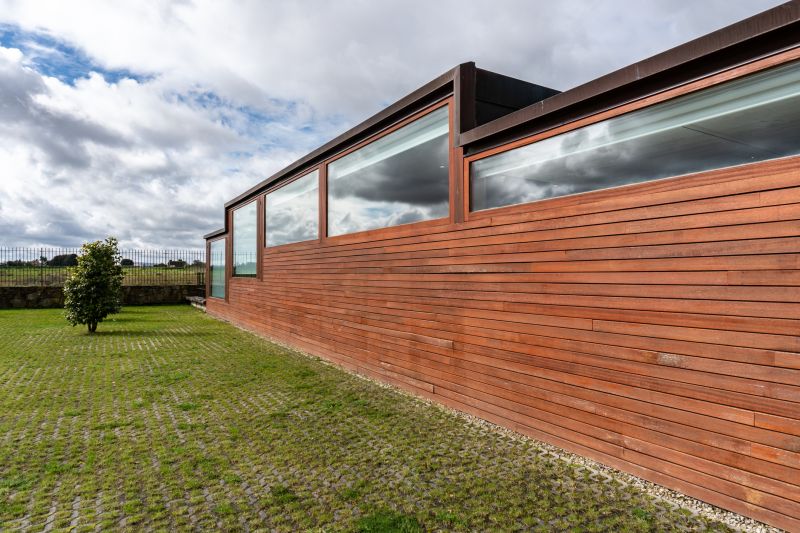
Summer requires careful management of humidity and temperature during installation.
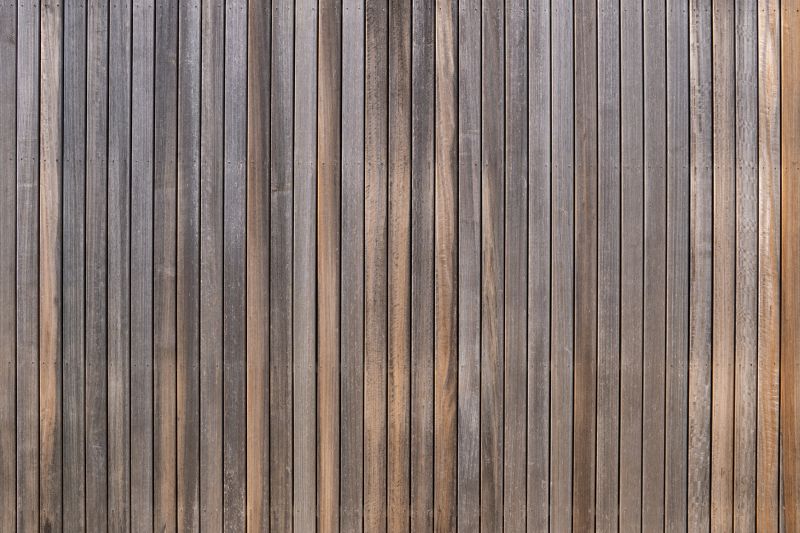
Autumn provides time for installation before winter, with dry conditions preferred.
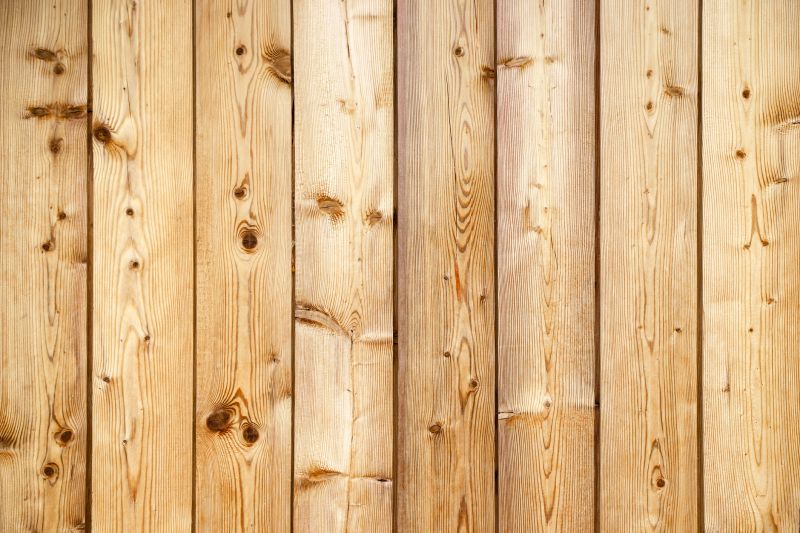
Winter is generally unsuitable due to cold temperatures and increased moisture risk.

High-end options that actually feel worth it for Wood Cladding Installations.
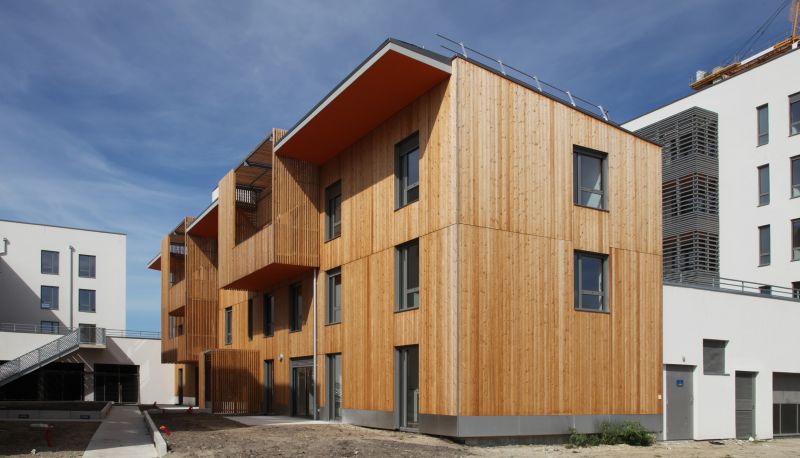
Finishes and colors that play nicely with Wood Cladding Installations.
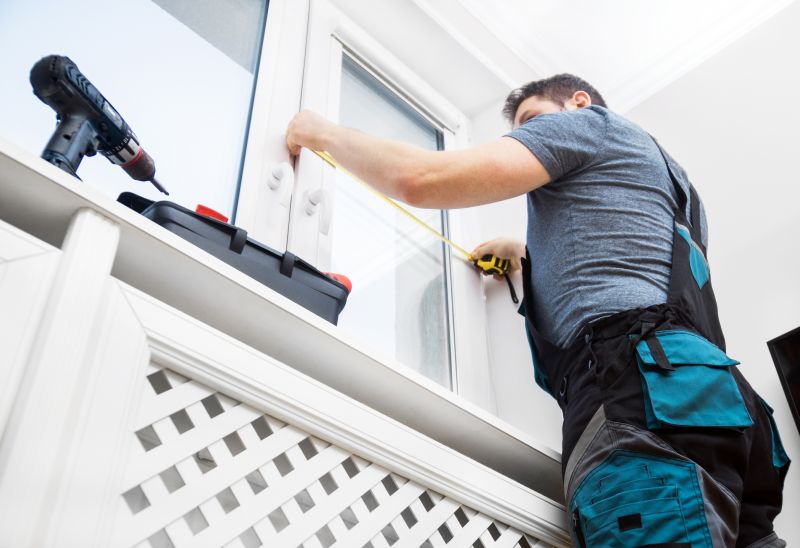
Little measurements that prevent headaches on Wood Cladding Installations day.
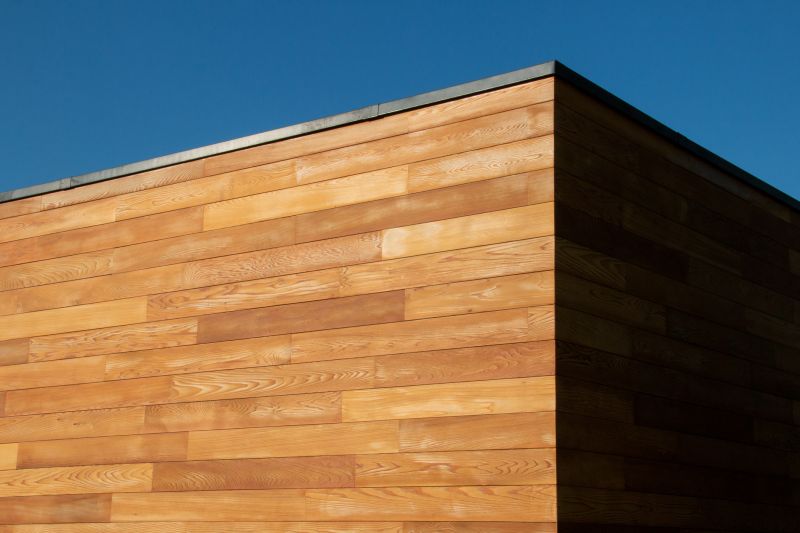
A 60-second routine that keeps Wood Cladding Installations looking new.
Choosing the right time for wood cladding installation is essential for achieving optimal results. Consulting with professionals and monitoring weather forecasts can help determine the best window for project completion. Proper timing ensures that the cladding performs well over time, maintaining its aesthetic appeal and structural integrity.
Professional advice can help identify the best installation window based on local climate conditions.
Ensure the site is prepared and weather forecasts are favorable before scheduling installation.
Proper maintenance after installation extends the lifespan of wood cladding.
Interested in scheduling a wood cladding installation? Contact the appropriate service provider to discuss timing options and ensure optimal outcomes for the project.